Dreadthorn: The Gothic Font That Elevates Bold Design
Fonts are more than just letters on a page—they’re the voice of your message. Choosing the right one can set the tone, evoke emotion, and even define your brand’s identity. Dreadthorn is a blackletter font that does all three with its gothic flair and commanding presence. It’s not just another typeface; it’s a design element that adds weight, character, and a touch of darkness to any project.
What Makes Dreadthorn Unique?
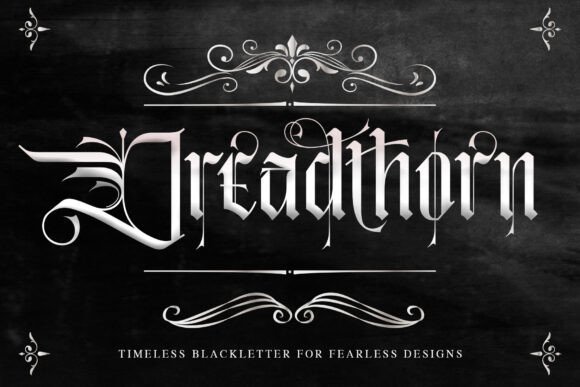
Dreadthorn stands out with its sharp, angular strokes and intricate detailing. Its structure echoes traditional gothic letterforms but injects them with a modern edge, making it versatile for both vintage and contemporary aesthetics. The contrast between thick and thin lines gives it a dramatic feel, while the overall density ensures readability without sacrificing style.
This font isn’t about subtlety. It’s about impact. Whether you're designing a horror movie poster or a fantasy album cover, Dreadthorn delivers a visual punch that speaks volumes before a single word is read.
Real-World Uses for Dreadthorn
If you're in the creative industry, you know how important it is to stand out. Dreadthorn helps you do exactly that. Here are some practical scenarios where this font shines:
- Album Covers and Music Branding: Bands in genres like metal, dark rock, or alternative often seek fonts that reflect their sound. Dreadthorn brings a visceral energy to album art, making it ideal for artists who want their branding to echo the intensity of their music.
- Cinematic Titles and Trailers: Horror films, fantasy sagas, or period dramas need titles that pull viewers into the world they represent. Dreadthorn’s bold, shadowed appearance makes it perfect for opening credits, title cards, and promotional materials that demand immediate attention.
- Branding for Dark-Themed Businesses: From occult shops to tattoo studios, businesses that embrace edgy or mysterious themes can use Dreadthorn to reinforce their image. A logo using this font doesn’t just look good—it feels powerful.
- Book Covers and Literature: Authors of dark fiction, poetry collections, or historical novels often turn to gothic fonts to enhance the mood of their work. Dreadthorn can add an air of intrigue to book covers, especially when paired with appropriate imagery and color schemes.
- Event Posters and Promotional Materials: Think haunted house events, Halloween parties, or underground concerts. Dreadthorn’s aesthetic fits these environments perfectly, helping you create posters that draw people in and build anticipation.
How Creators Can Use Dreadthorn Effectively
Graphic designers, especially those working in entertainment or niche markets, will find Dreadthorn invaluable. For example, if you're creating a poster for a local horror film screening, using Dreadthorn for the main title can immediately convey the genre’s vibe. Pair it with deep reds or blacks and a background of fog or ruins, and you’ve got a design that captures attention from across the room.
Freelancers who specialize in themed content—like fantasy game developers or indie filmmakers—can also benefit. Imagine a game logo that uses Dreadthorn to introduce a new expansion titled "The Thorned Gate." The font alone communicates the ancient and foreboding nature of the setting, saving time and effort in visual storytelling.
Entrepreneurs and Marketers: When to Reach for Dreadthorn
For entrepreneurs launching a product in the wellness or spiritual markets, Dreadthorn can be a great fit. If your brand focuses on mysticism, tarot readings, or holistic healing, the font’s gothic charm aligns well with your theme. It can be used sparingly on packaging or boldly in taglines to make a memorable impression.
Marketers promoting limited-edition products or exclusive experiences might consider Dreadthorn for their headlines. Let’s say you’re running a campaign for a new line of premium candles inspired by medieval rituals. Using Dreadthorn in your email subject lines or social media banners can pique curiosity and encourage clicks.
Bloggers and Educators: Adding Depth to Digital Content
Blogs focused on history, mythology, or pop culture can use Dreadthorn to highlight key sections or headers. If you run a site dedicated to ancient civilizations, a subheading like “The Secrets of the Blackened Tombs” in Dreadthorn instantly adds gravitas and context.
Teachers or educators creating materials for a literature class on Shakespearean tragedies or Gothic novels can incorporate Dreadthorn into presentations or handouts. It doesn’t just make the text look different—it enhances the atmosphere of the lesson, helping students connect emotionally with the material.
Small Business Owners: Making a Statement Without Saying Much
Local businesses like coffee shops with a noir twist or boutique clothing stores specializing in steampunk fashion can use Dreadthorn to craft signage or menus that reflect their unique style. It’s a way to visually communicate a brand’s personality without relying solely on words.
A bakery named “Dusk & Thorns” could use Dreadthorn for their storefront sign. The font’s weight and elegance complement a name that hints at mystery and indulgence, inviting passersby to step inside and explore what lies within.
Things to Consider Before Using Dreadthorn
While Dreadthorn is powerful, it's not always the best choice. Before downloading or purchasing it, consider the following:
- Readability in Context: Blackletter fonts can be difficult to read at smaller sizes. Ensure Dreadthorn is used appropriately—larger text for headings, and avoid using it in body copy unless stylized for effect.
- Tone and Audience: This font works best for mature audiences or projects with a darker, more intense theme. Using it for a children’s website or light-hearted app might send the wrong message.
- Contrast and Background: Because of its dense structure, Dreadthorn needs a clean or high-contrast background to remain legible. Test it against different colors and images to see how it performs in various settings.
- License and Usage Rights: Always check the licensing terms before using Dreadthorn in commercial projects. Some fonts require attribution or restrict usage in certain industries.
Practical Tips for Getting Started
Once you’ve decided to use Dreadthorn, here’s how to integrate it effectively:
- Pair it with simpler sans-serif fonts for balance: Use Dreadthorn for headlines and a clean font like Helvetica or Arial for supporting text to maintain readability.
- Use drop shadows or outlines for added depth: Especially in digital designs, subtle effects can make the font pop without overwhelming the rest of the layout.
- Test it in real-world conditions: Print samples or preview digital versions under different lighting and screen resolutions to ensure it looks as intended.
Why Choose Dreadthorn Over Other Fonts?
Many blackletter fonts exist, but Dreadthorn distinguishes itself through its blend of raw dominance and refined detail. While others may lean too heavily into either ornate calligraphy or rigid formality, Dreadthorn strikes a balance. It feels alive, almost like it was carved into stone by an ancient hand yet polished for today’s creators.
Take a look at how it compares in action. A band named “Ashen Veil” used Dreadthorn for their debut album cover, which went viral on social media. The font helped establish a strong first impression, contributing to the album’s success and the band’s growing online presence.
Designing with Purpose
When choosing Dreadthorn, you're not just selecting a font—you're making a statement. It’s a tool for evoking atmosphere, adding drama, and communicating strength. But like any tool, it requires thoughtful application. Use it in places where its gothic majesty can truly shine, and let it tell part of your story for you.
Whether you're crafting a logo for a new venture, designing a movie poster, or simply looking to give your next project a touch of the macabre, Dreadthorn offers a compelling option. Just remember to use it wisely, and always keep your audience in mind.