Everything You Need to Know About Selennia Font: A Bold and Thick Blackletter for Modern Design
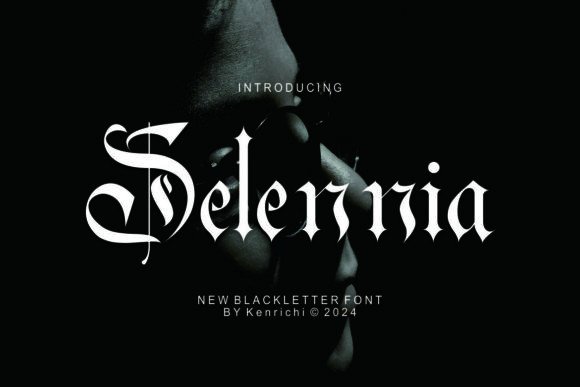
Selennia Font is a striking example of how traditional typography can be reimagined for contemporary design. As a bold and thick lettered blackletter font, it brings a dramatic flair to any project it's applied to. Whether you're creating branding materials, digital content, or print designs, understanding the characteristics and uses of Selennia can help you leverage its potential effectively.
What Is Selennia Font?
Selennia Font is part of the blackletter family, which has its roots in medieval calligraphy. Blackletter fonts are known for their dense, angular strokes and intricate letterforms that mimic hand-drawn Gothic script. Unlike more modern sans-serif or serif fonts, blackletters often carry a sense of history, gravitas, and visual drama.
Selennia takes this classic style and amplifies it with bold, thick lines that make it stand out on both digital and physical mediums. Its design is not only visually compelling but also highly functional thanks to its PUA (Private Use Area) encoding. This means users can access all glyphs and swashes effortlessly, making it ideal for creative projects where typographic detail matters.
The Purpose and Significance of Selennia Font
Fonts serve more than just an aesthetic role; they communicate tone, emotion, and context. Selennia is no exception. Its bold structure and thick lettering convey strength, confidence, and authority. These qualities make it particularly well-suited for:
- Branding and logos for businesses that want to project a strong identity.
- Creative projects like posters, book covers, or packaging that benefit from a unique typographic style.
- Calligraphy-inspired designs, where the look of hand-drawn letters is desired without the need for manual drawing.
By choosing Selennia, designers gain access to a powerful visual tool that combines historical inspiration with modern usability. It’s not just about looking good—it's about conveying the right message in a way that resonates with audiences.
Why Choose a Blackletter Font Like Selennia?
Blackletter fonts have long been associated with specific moods and themes. They are often used to evoke a sense of tradition, mystery, or grandeur. Selennia, with its thick and bold lettering, enhances these associations by adding intensity and depth to the visual narrative.
One common misconception is that blackletter fonts are outdated or difficult to read. While some variations may lean into that stereotype, Selennia strikes a balance between formality and readability. Its clear shapes and consistent stroke widths ensure that even in large text blocks, the font remains legible and impactful.
How Selennia Fits Into Modern Life and Work
In today’s fast-paced digital world, fonts play a crucial role in capturing attention and building brand recognition. Selennia Font offers a fresh take on blackletter design that can easily integrate into various aspects of modern life:
- Business and Branding: Companies in industries like fashion, luxury goods, or heritage brands can use Selennia to create a memorable logo or headline that stands out from the crowd.
- Education and Publishing: Academic institutions or publishers might choose Selennia for titles, certificates, or promotional materials to give them a distinguished and timeless feel.
- Creativity and Art: Artists and designers working in illustration, graphic design, or motion graphics often rely on expressive typefaces to add character to their work. Selennia provides a rich palette of characters and stylistic elements that enhance visual storytelling.
- Technology and Web Design: When used appropriately, Selennia can elevate the design of websites, apps, or digital campaigns by adding a touch of elegance and uniqueness.
Its versatility allows it to adapt to different contexts while maintaining its core identity. For instance, using Selennia in a horror-themed poster gives it an eerie, dramatic edge, whereas using it in a luxury product title adds sophistication and exclusivity.
Examples of Selennia in Action
To truly understand how Selennia can transform your projects, let’s look at a few practical examples:
- Poster Design: Imagine a movie poster for a fantasy film. The title "The Shadow Realm" in Selennia immediately conveys a sense of mystique and power, drawing viewers in with its bold presence.
- Logo Creation: A boutique specializing in vintage clothing could use Selennia as the primary font in their logo to reflect their retro appeal and attention to detail.
- Wedding Invitations: For couples seeking a unique and elegant design, Selennia can provide a romantic and ornate typographic choice that sets their invitations apart.
- Book Covers: Authors writing historical fiction or gothic novels often find that blackletter fonts like Selennia help set the right tone and attract the target audience.
These examples highlight how Selennia can be adapted to suit diverse needs while preserving its distinctive character. Its boldness ensures it commands attention, and its PUA encoding makes it easy to customize with ligatures and special characters.
Understanding PUA Encoding and Glyphs
PUA encoding is a technical feature that allows fonts to include additional characters beyond the standard keyboard layout. In the case of Selennia, this means you can access a wide range of glyphs, including decorative swashes, alternate characters, and symbols that enrich the visual experience.
Here’s why PUA encoding matters:
- Customization: With PUA, designers aren’t limited to basic letters—they can choose from multiple stylistic options to tailor the font to their project.
- Consistency: Special characters and swashes render correctly across platforms when properly supported, ensuring your design looks the same everywhere.
- Accessibility: Even if the user doesn't have advanced knowledge of typography, tools like glyph panels in Adobe Illustrator or Photoshop allow for easy access to these features.
This level of control makes Selennia especially valuable for those who want to create one-of-a-kind designs without relying on custom illustrations or other resource-heavy methods.
Common Misunderstandings About Selennia
Despite its many advantages, there are still misconceptions about fonts like Selennia. One such misunderstanding is that blackletter fonts are too complex for everyday use. However, with thoughtful application, Selennia can be perfectly readable and effective in professional settings.
Another assumption is that PUA-encoded fonts require advanced skills to use. In reality, most design software includes tools to navigate and apply these glyphs intuitively. Once you get familiar with the process, incorporating Selennia into your workflow becomes second nature.
It’s also important to note that while Selennia is bold and thick, it doesn’t mean it should be overused. Like any strong font, it works best when paired with simpler typefaces for contrast and balance. Using it as a headline or accent font typically yields the best results.
Practical Tips for Using Selennia Font
If you’re considering adding Selennia to your next project, here are some tips to maximize its impact:
- Pair it with a complementary font: Combine Selennia with a clean sans-serif or serif font to create a balanced and visually appealing composition.
- Use it sparingly: Because of its bold appearance, Selennia can overwhelm a design if used throughout. Reserve it for headlines, titles, or key phrases.
- Experiment with color and spacing: Play with different colors and letter spacing to highlight the font's unique characteristics and improve readability.
- Leverage the PUA features: Take advantage of the included glyphs and swashes to add personality and visual interest to your text.
By following these guidelines, you can ensure that Selennia enhances your design rather than detracts from it. Remember, the goal is to use the font to support your message, not overshadow it.
Where to Download and Use Selennia Font
Before you start designing, you’ll need to obtain the font. Many font marketplaces and design resources offer Selennia for download. Always ensure you purchase a license appropriate for your intended use—whether personal, commercial, or web-based.
Once installed, Selennia is compatible with major design software such as:
- Adobe Photoshop
- Adobe Illustrator
- Canva
- Figma
- Microsoft Word and PowerPoint
Each platform provides slightly different ways to access PUA-encoded glyphs, so it’s worth exploring the font panel or glyph viewer to unlock its full potential.
Selennia in the Digital Age
As we move further into the digital era, the demand for versatile and expressive fonts continues to grow. Selennia meets this demand by offering a blend of old-world charm and modern functionality. It’s suitable for both high-end print materials and dynamic digital formats.
For web designers, Selennia can be embedded into websites using web font services. However, due to its bold nature and complexity, it’s essential to test its performance across different browsers and devices to ensure optimal rendering and loading times.
Additionally, Selennia can be used in video editing, social media content creation, and even mobile app interfaces. Its ability to convey emotion and command attention makes it a valuable asset in any designer’s toolkit.
Final Thoughts
Selennia Font is more than just another typeface—it’s a bold statement waiting to be made. By combining the elegance of blackletter design with the accessibility of PUA encoding, it bridges the gap between tradition and innovation. Whether you're a seasoned designer or just starting out, Selennia offers a unique opportunity to elevate your work and leave a lasting impression.
So the next time you're brainstorming for a new project, consider how Selennia might fit into your vision. Its thick, confident lettering and rich glyph set can bring a new dimension to your designs, helping you stand out in a crowded visual landscape.