Wave Block: A Bold, Handcrafted Typeface for Authentic Design
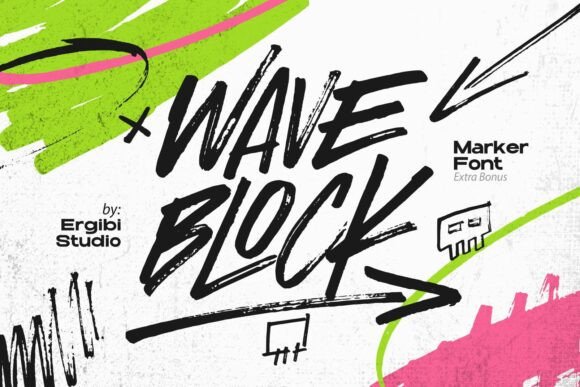
If you're looking to inject raw energy and a touch of urban grit into your design projects, Wave Block might just be the perfect choice. This dynamic typeface is crafted with realistic brush strokes that give it a hand-painted look, making it stand out in any visual context. From logos and posters to apparel and album covers, Wave Block brings a powerful edge and an authentic feel that's hard to replicate with other fonts.
The Artistry Behind Wave Block
What sets Wave Block apart is its attention to detail and texture. Each character is infused with bold movement and a sense of realism that mimics the natural flow of a brush on paper or canvas. The result is a font that feels alive—organic and expressive. Unlike rigid, mechanical typefaces, Wave Block embraces imperfection, which makes it incredibly versatile and visually engaging.
This brush-based aesthetic isn't just about looks; it's about creating a connection. The human element in each stroke adds warmth and personality, allowing designers to craft messages that resonate more deeply with their audience. Whether you're aiming for a rebellious vibe or a grounded, authentic tone, this font delivers both.
Key Features of Wave Block
- Brush Strokes: Realistic textures simulate the motion of a hand-guided brush, giving every letter a unique, organic quality.
- Uppercase & Lowercase Support: Offers full alphabetic coverage, making it suitable for both headlines and body text when needed.
- Numeral Set: Includes essential digits for use in pricing, dates, labels, and more.
- Ligatures: Special character combinations enhance readability and add stylistic flair where appropriate.
- Urban Vibe: Designed with a street-smart attitude, ideal for edgy branding or creative campaigns.
Where to Use Wave Block
Wave Block shines in environments where creativity and authenticity are key. Its high contrast and energetic presence make it a standout option for a variety of applications across personal and professional domains.
Branding and Marketing
For brands that want to communicate strength, originality, and a no-nonsense attitude, Wave Block can serve as a compelling typographic voice. It works especially well for logos, taglines, and promotional materials in industries like fashion, music, and lifestyle. Imagine a skateboard brand using Wave Block in its logo—it instantly conveys rebellion and a do-it-yourself spirit.
Print and Poster Design
Posters often need to grab attention from a distance, and Wave Block’s bold forms and gritty texture make it excellent for eye-catching visuals. It pairs well with photography or abstract art, adding depth without overshadowing the rest of the design. When used sparingly, it can highlight key phrases or titles with striking impact.
Apparel and Packaging
On clothing tags, t-shirt designs, or product packaging, Wave Block adds a tactile, handmade quality that appeals to consumers seeking individuality. Its versatility allows it to work on both large-scale prints and small details, ensuring consistency in style while adapting to different formats.
Digital Applications
In digital spaces, such as website headers, app interfaces, or social media graphics, Wave Block maintains its identity even at smaller sizes. However, due to its textured nature, it's best suited for short bursts of text rather than long paragraphs. For instance, using it in a call-to-action button or a title banner can create a memorable user experience.
Why Choose Wave Block?
Designers select typefaces not just for aesthetics but also for how they function within a project. Wave Block offers several advantages that go beyond its visual appeal:
- Authentic Feel: The brush strokes mimic real-world craftsmanship, helping to build trust and relatability with audiences.
- High Memorability: Its distinctive style makes it easier for viewers to remember a brand or message.
- Emotional Impact: The font evokes strong feelings—confidence, energy, and rawness—ideal for storytelling or emotional branding.
- Flexibility: With support for uppercase, lowercase, numerals, and ligatures, it adapts to a wide range of design needs.
Real-World Examples
Consider a local coffee shop rebranding to emphasize its artisanal roots. Using Wave Block in its signage and menu boards could help reinforce the idea of hand-crafted beverages and community-driven values. Similarly, a musician launching a new EP might incorporate the font into their artwork to reflect a DIY ethos and raw talent.
Practical Considerations
While Wave Block is visually compelling, there are some factors to keep in mind when integrating it into your workflow:
- Contrast and Legibility: Because of its texture and irregular shapes, ensure sufficient contrast against the background to maintain readability.
- Use Cases: Best applied to short texts like slogans, headlines, or accents. Avoid using it for lengthy body copy unless paired with a clean, legible secondary font.
- File Format: Check if the font is available in multiple file types (e.g., OTF, TTF) to suit your specific design software and platform requirements.
- Commercial Licensing: If you plan to use Wave Block in client projects or commercial products, confirm that the license includes those rights to avoid legal issues later on.
Pairing Suggestions
To balance its wild energy, pair Wave Block with a minimalist sans-serif or serif font for supporting text. For example, combining it with Helvetica Neue or Georgia can create a harmonious contrast between the bold and the refined. This approach keeps the design interesting while maintaining clarity and professionalism.
Creating with Wave Block: Tips and Tricks
Working with a brush-style font requires a bit of finesse. Here are a few tips to maximize its potential:
- Layer Effects: Add subtle drop shadows or outlines to enhance visibility, especially in complex backgrounds.
- Color Variations: Experiment with muted tones like deep grays or earthy reds to complement its gritty texture.
- Spacing Adjustments: Increase tracking slightly for better legibility and to prevent the letters from feeling cramped.
- Use Ligatures Wisely: These special characters can add charm, but overuse may compromise readability. Test them in context before finalizing your layout.
Tools and Software Compatibility
Most modern design tools, including Adobe Photoshop, Illustrator, InDesign, and Figma, support brush-style fonts like Wave Block. Always test the font in your chosen platform to see how it renders at various sizes and resolutions. If you're working in web development, consider converting it to a web-friendly format like WOFF or WOFF2 for optimal performance.
When Not to Use Wave Block
No font is a one-size-fits-all solution. While Wave Block excels in many areas, it may not be the best fit for:
- Formal business documents or corporate communications.
- Small text in mobile apps or responsive websites where legibility is crucial.
- Projects requiring a highly structured or traditional appearance.
Always evaluate the purpose and audience of your project before committing to a typeface. If you're designing a children’s book or a financial report, a more conventional font would likely serve you better.
Observations from the Field
Many designers who've used Wave Block in real-world scenarios have noted its ability to elevate the mood of a piece significantly. One graphic designer mentioned that using it in a poster for a graffiti-themed exhibition made the entire concept feel more immersive and true to life. Another observed that it helped differentiate a startup’s brand from competitors by introducing a more personalized and energetic tone.
Getting Started with Wave Block
If you're interested in trying Wave Block, here’s how to start:
- Download the font from a trusted source or font marketplace like Adobe Fonts, Google Fonts, or Font Squirrel.
- Install it on your computer or cloud-based design platform.
- Test it in mockups or sample designs to see how it interacts with other elements.
- Adjust spacing, size, and color based on your project's needs.
Once you’ve integrated it into your toolkit, take time to explore its capabilities. Try layering it with textures or gradients to amplify its effect, or combine it with photographic elements to create a cohesive, hand-made aesthetic.
Final Thoughts
Wave Block is more than just a font—it's a design statement. Whether you're crafting a logo, designing a poster, or developing a brand identity, this typeface brings a level of authenticity and energy that's difficult to achieve with standard options. Its unique blend of realism and boldness makes it a valuable asset for creators who want to stand out in a crowded market.
Remember, the right typeface should reflect your message and audience. If your project demands something raw, real, and unapologetically bold, Wave Block is worth considering. Just apply it thoughtfully and always prioritize legibility and usability alongside its artistic qualities.