Bubble Old English: A Modern Gothic Font
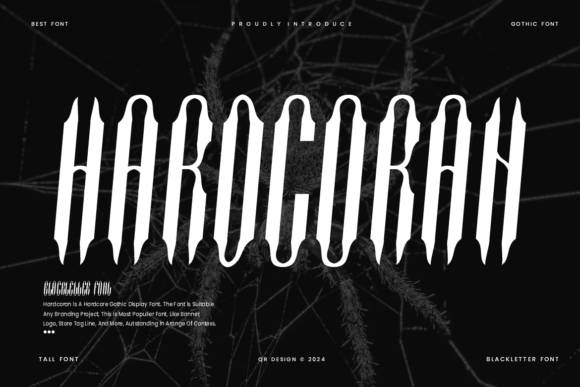
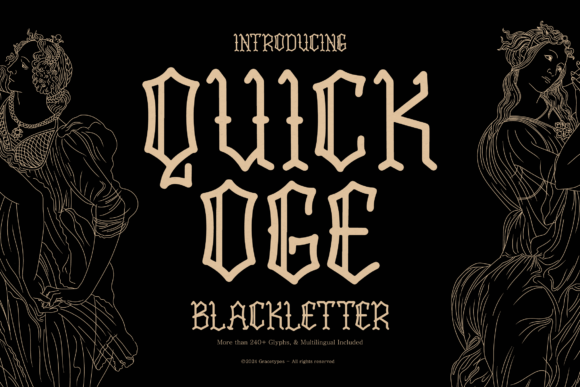
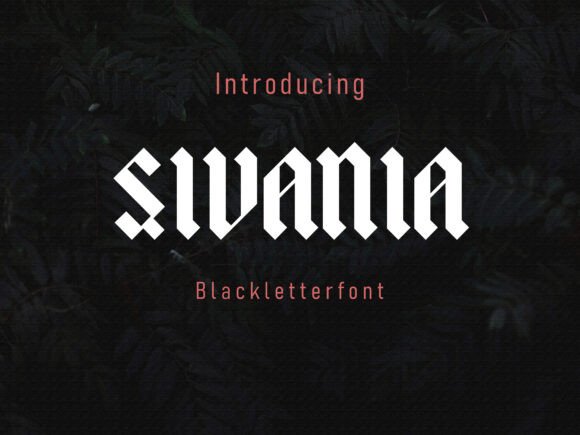
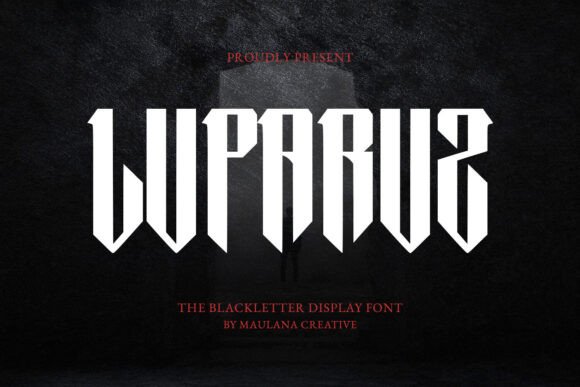
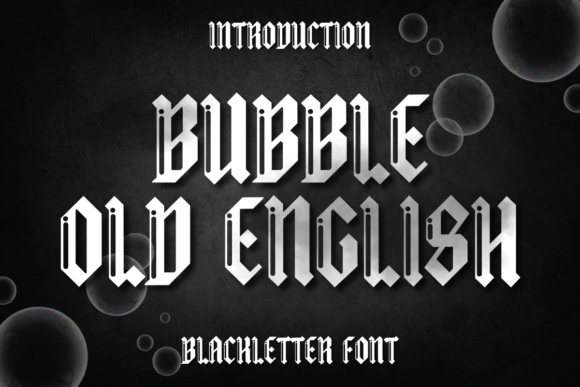
If you're on the lookout for a font that marries history with innovation, Bubble Old English might just be the perfect fit. This unique typeface takes inspiration from traditional blackletter styles and reimagines them with a contemporary twist—softening those sharp, angular strokes into more rounded, almost bubble-like forms. The result is a bold, edgy design that feels both ancient and fresh at the same time.
What Makes Bubble Old English Stand Out?
At its core, Bubble Old English is rooted in the gothic blackletter tradition, which dates back to medieval Europe. These fonts were often used in illuminated manuscripts and early printed books, giving them a sense of gravitas and historical depth. However, what sets Bubble Old English apart is its playful adaptation. Instead of rigid, angular lines, it features subtle curves that give the letters a bouncy, whimsical appearance without losing their dark, mysterious charm.
This combination of sharpness and softness makes it visually striking. It's not just about looking good—it's about making an impression. Whether you're designing a logo or crafting a vintage poster, this font can help you stand out by adding a unique personality to your work.
Key Characteristics of Bubble Old English
- Angular Meets Curved: The structure is still based on blackletter but softened with gentle curves.
- High Contrast: Thick and thin strokes create visual interest and make the text pop.
- Distinctive Letterforms: Each character has a slightly different shape, mimicking hand-drawn calligraphy.
- Edgy Aesthetic: Ideal for projects needing a rebellious or artistic vibe.
- Versatile Style: Can be adapted for both digital and print media with ease.
Why Use Bubble Old English?
Bubble Old English isn't just another pretty font. It serves a purpose. If you're working on a creative project that needs a strong identity—especially one with a mix of old-world charm and modern flair—this font could be a game-changer. It’s particularly well-suited for branding in niche industries like heavy metal music, fantasy games, or retro-themed products.
For entrepreneurs and small business owners, using Bubble Old English can help differentiate your brand from the competition. Its distinct look ensures your message won’t get lost in the crowd. Designers who want to blend tradition with modernity will also find it a powerful tool for creating memorable visuals.
Real-World Uses and Examples
Let’s break down some practical use cases where Bubble Old English shines:
- Tattoo Designs: With its ornate and edgy style, this font works beautifully as a base for custom tattoos. Think medieval runes with a modern bounce.
- Vintage Posters: Whether it’s for a concert, art show, or event flyer, the font adds a nostalgic yet trendy feel.
- Heavy Metal Branding: Bands and record labels love the aggressive yet artistic nature of Bubble Old English. It fits perfectly with album covers, merchandise, and promotional materials.
- Book Covers and Titles: Authors writing in genres like fantasy, horror, or historical fiction can benefit from the font’s dramatic appeal.
- Digital Media: From website headers to YouTube thumbnails, the font brings a dynamic edge that captures attention.
Who Benefits from Using Bubble Old English?
Anyone involved in creative or branding work could potentially benefit from using Bubble Old English. Here are some specific groups who may find it especially useful:
- Creative Artists: Graphic designers, illustrators, and typographers who want to experiment with blending old and new styles.
- Marketing Professionals: Those aiming to craft a strong visual identity for campaigns or brands in niche markets.
- Bloggers and Content Creators: Individuals who want to add personality to their blog titles, social media posts, or video intros.
- Small Business Owners: Entrepreneurs launching a new product line or store with a thematic focus (e.g., fantasy, steampunk, or vintage).
- Educators and Historians: For educational materials or museum exhibits that highlight historical typography with a modern twist.
Getting Started with Bubble Old English
If you’re new to using Bubble Old English, start by considering how it fits within your overall design. Because it’s a decorative font, it should be used sparingly—perhaps only for headlines or key phrases rather than full paragraphs. Here’s a quick guide to help you begin:
- Choose the Right Context: Make sure the font supports the message and tone of your project.
- Test Different Sizes: Due to its complexity, scaling is important. Too small and it becomes hard to read; too large and it loses subtlety.
- Pair with Simpler Fonts: To maintain readability, pair Bubble Old English with a clean sans-serif or serif font for body text.
- Use Color Thoughtfully: Dark tones like black or deep red enhance the gothic feel, while bright colors can add a fun, unexpected twist.
- Experiment Digitally: Try it in tools like Adobe Photoshop, Illustrator, or even Canva to see how it looks in different layouts.
Important Considerations Before Choosing Bubble Old English
Before you commit to using Bubble Old English in your next project, there are a few things to keep in mind:
- Readability: While it’s great for short bursts of text, it may not be ideal for long passages due to its intricate letterforms.
- Legality: Always ensure you have the right license for commercial use if you plan to apply it in logos, packaging, or other paid materials.
- Target Audience: Ask yourself whether your audience would appreciate the aesthetic. Some may find it too stylized, while others will love the uniqueness.
- Contrast and Background: Make sure the font stands out against your chosen background. High contrast usually works best.
- Font Pairing: As mentioned earlier, combining it with simpler fonts helps balance the design and improves usability.
Where to Find and Download Bubble Old English
You can find Bubble Old English on various font marketplaces such as Fontsquirrel, Dafont, or Behance. Many of these platforms offer free downloads, though always check the licensing details before using it in professional settings.
Some designers also offer exclusive versions of Bubble Old English with added glyphs, ligatures, or alternate characters—perfect for personalizing your designs further.
Enhancing Your Projects with Bubble Old English
Using Bubble Old English can elevate your creative output in surprising ways. Imagine a steampunk-inspired clothing brand using it for a tagline. Or a fantasy board game incorporating it into title cards for a magical atmosphere. The possibilities are endless when you understand how to leverage its unique qualities.
One thing to note is that the font’s aesthetic can vary depending on the platform or software you use. Always preview it in your final environment—whether that’s a website, a printed poster, or a mobile app—to ensure it looks consistent across devices.
Pro Tips for Working with Bubble Old English
- Try layering it over textures or backgrounds that match its gothic roots—like parchment or brick walls.
- Use outlines or shadows to make the text pop, especially if you're working on low-resolution images.
- Consider using it in conjunction with illustrations or icons to reinforce the theme you're going for.
- When using it in logos, keep the rest of the design minimal to let the font take center stage.
Final Thoughts on Bubble Old English
Bubble Old English is more than just a font—it's a statement. It bridges two worlds: the solemn elegance of medieval script and the vibrant energy of modern design. Whether you're a seasoned designer or someone just starting out, experimenting with this font can open up new creative avenues.
So next time you're brainstorming for a project that needs a touch of mystery and a hint of rebellion, remember Bubble Old English. Let its bold curves and gothic roots inspire you to think outside the box and bring something truly unique to life.