Hardcoran: A Gothic Font with Modern Edge
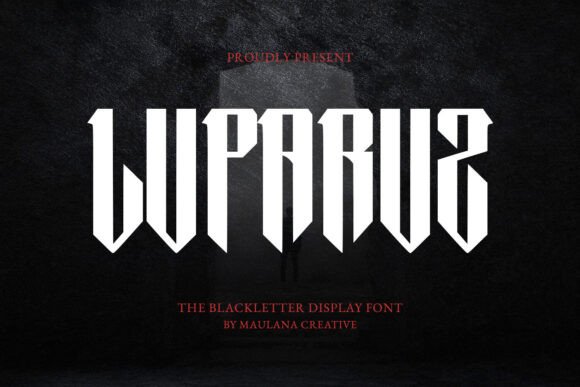
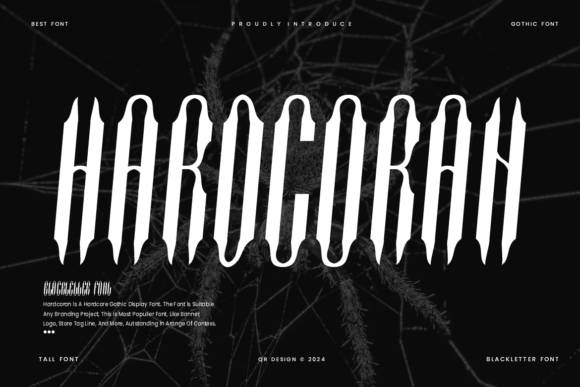
Typography is more than just a visual element—it's a powerful tool that communicates tone, identity, and emotion. For creators and professionals seeking a font that exudes strength, rebellion, and mystery, Hardcoran offers an intriguing solution. This bold, tall gothic blackletter typeface combines the dramatic flair of historical lettering with a sharp, contemporary twist. Whether you're designing a brand logo, album cover, or tattoo layout, Hardcoran can help you make a striking impression.
Understanding the Power of Blackletter Fonts
Blackletter fonts, also known as Gothic or Old English scripts, have deep roots in European calligraphy and medieval manuscripts. These fonts are characterized by their angular, dense strokes and ornate features, often used to convey authority, tradition, or mystique. However, many modern designers find traditional blackletter fonts too intricate for today’s fast-paced digital landscape. That's where Hardcoran steps in—offering a streamlined yet still high-impact alternative.
A Bold Fusion of Past and Present
Hardcoran doesn’t shy away from its heritage but reinterprets it for the 21st century. Its spiky character shapes and condensed structure give it a modern edge while preserving the essence of classic blackletter design. This balance makes it ideal for projects that want to evoke a sense of history without appearing outdated.
Why Choose Hardcoran for Your Projects?
The right font can elevate your design from good to unforgettable. Hardcoran is particularly well-suited for those aiming to create a strong, memorable visual impact. Its sharp angles and vertical emphasis naturally draw attention, making it excellent for headlines, logos, and other key design elements where presence matters most.
Enhancing Brand Identity with Visual Strength
For entrepreneurs and small business owners in industries like fashion, music, or lifestyle brands with a darker aesthetic, Hardcoran can be a game-changer. It allows for a cohesive visual language that aligns with themes of power, resilience, and individuality. Consider how a metal band might use this font to reflect their sound and attitude on stage banners or promotional materials—Hardcoran gives them the tools to do so effectively.
Creating Memorable Album Covers and Music Artwork
Musicians and graphic designers working in genres like rock, metal, and punk will find Hardcoran invaluable. The font’s aggressive style complements the intensity of these musical styles, helping artists craft album covers that stand out in crowded marketplaces. With Hardcoran, you don’t just add text—you inject energy and attitude into every design.
Tattoo Designers Can Use Hardcoran for High-Impact Text
Tattoo artists often seek fonts that translate well into ink. Hardcoran’s clean lines and defined edges make it suitable for body art, especially when paired with minimalist layouts or incorporated into bolder, more elaborate pieces. The font’s condensed nature ensures legibility even at smaller sizes, which is essential for tattoos that need to remain readable over time and across different skin types.
Who Benefits Most from Using Hardcoran?
- Brand Strategists: Those building dark-themed brands can leverage Hardcoran to establish a consistent and compelling visual identity.
- Music Industry Professionals: From independent artists to record labels, Hardcoran helps create visuals that match the mood and genre of the music.
- Graphic Designers: Creatives looking to add a touch of rebellion or drama to their work will appreciate the versatility and uniqueness of Hardcoran.
- Marketing Teams: When launching campaigns targeting niche audiences, such as goth subcultures or edgy fashion segments, Hardcoran adds the right amount of gravitas.
- Bloggers and Publishers: For editorial content with a strong voice or theme, using Hardcoran in titles or pull quotes can enhance the reader’s emotional engagement.
Real-World Applications and Outcomes
Imagine a boutique clothing store specializing in urban streetwear. They want to launch a new line inspired by 80s punk culture. By incorporating Hardcoran into their packaging, website headers, and social media posts, they immediately tap into the rebellious spirit of the era. The result? A stronger connection with their target audience and a more distinctive brand presence.
Similarly, a musician preparing for a tour poster needs something eye-catching. Traditional blackletter fonts may be too busy, while sans-serif options lack the desired intensity. Hardcoran bridges that gap—its structured form ensures readability, while its sharp, gothic influence reinforces the artist’s image. This dual benefit supports both communication and creativity in one elegant stroke.
How to Use Hardcoran Effectively
While Hardcoran is visually striking, its best results come from thoughtful application. Here are some practical tips for integrating it into your designs:
- Use Sparingly: Because of its bold nature, Hardcoran works best as a headline or accent rather than for large blocks of text. Overuse can lead to fatigue and reduced effectiveness.
- Pair with Simpler Fonts: To maintain balance, consider pairing Hardcoran with a more neutral sans-serif or serif font for body copy. This contrast enhances readability and visual interest.
- Consider Color and Contrast: Dark branding and edgy aesthetics often pair well with black or deep red hues. But don’t hesitate to experiment with white or metallic tones for a fresh take.
- Test Across Media: Ensure that Hardcoran looks great not only on digital screens but also in print. Check how it renders on merchandise, posters, and promotional materials before finalizing your project.
Designing with Purpose: Case Studies
A notable example of effective use is a recent album release by a rising metal band. Their marketing team chose Hardcoran for all promotional visuals, including the album title, tour dates, and social media graphics. The font helped reinforce the band’s thematic consistency and contributed to a surge in fan engagement. Fans commented on how the visuals felt authentic and aligned with the music’s intensity.
Another case involves a tattoo studio that redesigned its website to feature Hardcoran prominently in the navigation and hero section. The change led to a noticeable increase in inquiries about custom designs. Clients were drawn to the site’s edgy yet professional look, which helped build trust and attract the right clientele.
When Hardcoran Might Not Be the Best Choice
Despite its strengths, Hardcoran isn't universally applicable. It shines brightest in contexts that demand a strong visual statement. If your project requires subtle elegance or readability in long paragraphs, another font may serve better. Always consider the context and audience before committing to a typeface.
Additionally, because of its condensed and stylized nature, Hardcoran may not be suitable for languages with complex characters or diacritics. Test it thoroughly if you plan to use it in multilingual environments. In such cases, comparing it with other gothic or display fonts could reveal a better fit for your specific needs.
Comparing Options for the Right Fit
While Hardcoran is a standout choice for certain applications, it's wise to explore alternatives for broader compatibility. Fonts like Typodermic Blackletter, Bauhaus Goetzingen, or Futura Bold offer different textures and moods. Comparing these can help you determine whether Hardcoran’s unique character is the right match for your message and medium.
Conclusion
Hardcoran is more than just a font—it’s a design decision that reflects personality, purpose, and precision. Its ability to fuse historical inspiration with modern clarity makes it a versatile asset for anyone looking to make a bold typographic statement. Whether you’re crafting a brand, designing an album, or creating a tattoo layout, Hardcoran can help you communicate power and passion with visual confidence.