Umbra Nollan: A Bold Blackletter Font for Modern and Historical Designs
Typography plays a vital role in visual communication, shaping the tone and identity of any message it conveys. Among the many styles available today, blackletter fonts—also known as Gothic or Old English scripts—stand out for their dramatic flair and historical resonance. One such font that has captured attention is Umbra Nollan. With its bold, structured design and intricate detailing, Umbra Nollan offers a striking blend of tradition and modernity, making it an excellent choice for designers and brands looking to make a strong visual statement.
The Origins and Evolution of Blackletter Fonts
Blackletter fonts have deep roots in European calligraphy, particularly from the medieval period when scribes used quills to create dense, angular characters with thick strokes. These fonts were widely used in manuscripts, official documents, and religious texts before the rise of more legible typefaces during the Renaissance.
Over time, blackletter evolved into various substyles, including Textura, Rotunda, and Fraktur, each with unique characteristics. While some fell out of favor due to readability concerns, others retained their cultural significance and aesthetic appeal. Today, blackletter fonts are often used in contexts where history, authority, or artistic expression is key—such as in branding, packaging, and themed content.
What Makes Umbra Nollan Unique?
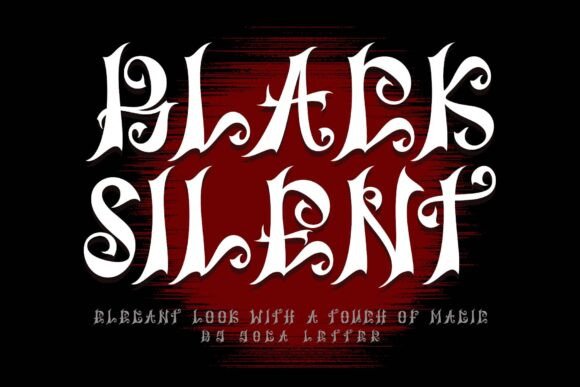
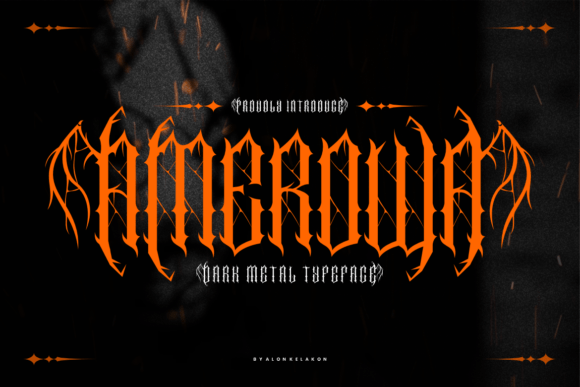
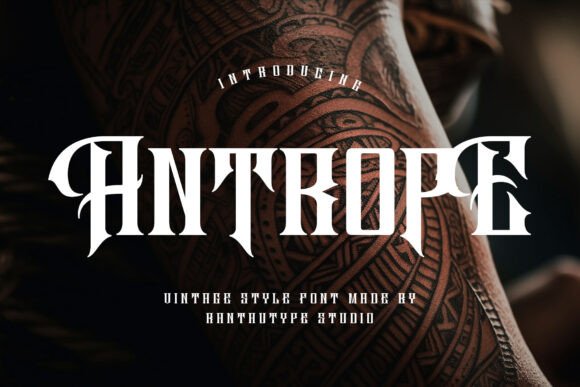
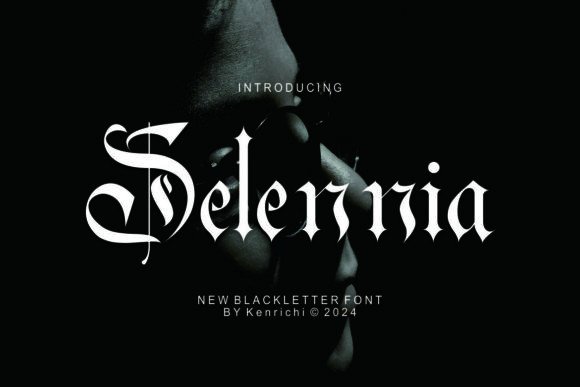
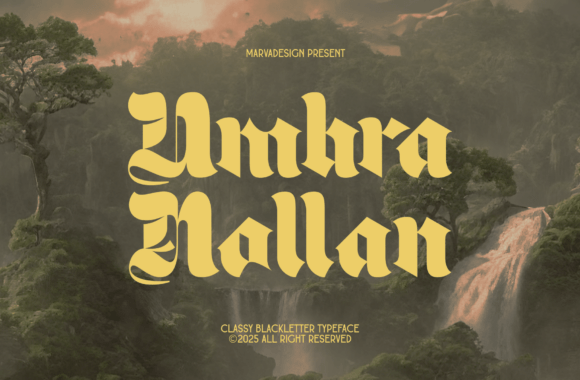
Umbra Nollan takes inspiration from these classic blackletter forms but adds a contemporary twist. Its sharp edges and pronounced contrast between thick and thin strokes give it a commanding presence on screen and in print. The intricate details and ornate embellishments reflect a deep respect for traditional craftsmanship while maintaining a clean, modern structure that adapts well to digital environments.
- Bold Structure: Umbra Nollan's weighty form ensures it stands out even at smaller sizes, ideal for headlines and logos.
- High Contrast Strokes: The dramatic difference between light and dark lines enhances visual interest and depth.
- Sharp Angles and Serifs: These elements contribute to the font’s authoritative and refined look.
- Elegant Details: Ornamental flourishes add sophistication without compromising clarity.
Who Should Consider Using Umbra Nollan?
This font isn't just another decorative typeface; it serves specific audiences who value both aesthetics and meaning in their typography choices. Here are a few groups that may find Umbra Nollan especially useful:
- Brand Owners and Marketers: If your brand focuses on heritage, luxury, or urban fashion, Umbra Nollan can help reinforce your identity through a powerful visual language.
- Graphic Designers: Professionals working in editorial design, poster creation, or promotional materials will appreciate the versatility and impact this font brings to their projects.
- Creative Creators: Musicians, filmmakers, and game developers involved in genres like heavy metal, hip-hop, or fantasy storytelling can use Umbra Nollan to evoke mood and atmosphere effectively.
- Print and Packaging Artists: Those designing product labels, book covers, or event invitations may benefit from the font’s ability to convey gravitas and style.
Real-World Applications of Umbra Nollan
One of the most compelling aspects of Umbra Nollan is its adaptability across different mediums and industries. Let’s explore some real-world examples of how it can be used:
1. Branding and Logos
Streetwear brands often rely on bold typography to express their identity. Umbra Nollan fits perfectly into this space, offering a sense of strength and exclusivity. Its structured appearance also makes it suitable for high-end fashion houses aiming to communicate timeless elegance.
Consider a brand named “Ironclad” that markets premium leather jackets. By using Umbra Nollan in their logo, they can immediately signal a connection to durability, craftsmanship, and a rebellious yet sophisticated image.
2. Music Industry Visuals
In music, visuals are just as important as the sound itself. Bands in the heavy metal or hip-hop genres frequently turn to blackletter fonts to align with their themes of power, rebellion, or mystique. Umbra Nollan, with its commanding presence, works well for album titles, band names, and tour posters.
For example, a new hip-hop artist launching a mixtape titled “The Dark Legacy” could use Umbra Nollan to emphasize the project’s serious tone and artistic maturity.
3. Fantasy and Historical Projects
Whether you're creating a game, a book cover, or promotional material for a historical reenactment, Umbra Nollan can transport viewers to another time and place. Its resemblance to medieval script gives it a natural fit for fantasy worlds, ancient lore, or historical narratives.
Game developers working on a medieval-themed RPG might use Umbra Nollan for title screens, in-game text, or promotional banners to enhance immersion and authenticity.
4. Editorial and Poster Design
Magazines, newspapers, and event posters need to grab attention quickly. Umbra Nollan delivers that impact with its distinctive character set. It’s particularly effective for headlines, pull quotes, and other typographic highlights that require emphasis.
A local theater group staging a Shakespearean play might choose Umbra Nollan for their poster to evoke the grandeur and timelessness of the Bard’s work.
Evaluating the Suitability of Umbra Nollan
While Umbra Nollan is visually striking, it’s essential to assess whether it suits your specific needs. Here are some factors to consider when deciding if this font is right for your project:
- Readability: Due to its stylized nature, Umbra Nollan may not be the best choice for body text or long paragraphs. Reserve it for headings, logos, or short phrases where legibility isn’t compromised by its complexity.
- Tone and Message: This font conveys strength, tradition, and intensity. If your content requires a softer or more casual tone, you might want to pair it with a simpler sans-serif or serif font for balance.
- Design Context: Consider the background and color palette of your design. Umbra Nollan works best on high-contrast surfaces—white backgrounds with black text or vice versa—to maintain its visual clarity.
- Technical Support: Ensure that the font includes support for your target language and special characters. Many blackletter fonts struggle with extended Latin alphabets or symbols, which could affect usability in certain regions or applications.
Strengths and Limitations
Like all typefaces, Umbra Nollan has its strengths and limitations. On the plus side, it offers a rich, immersive aesthetic that can elevate the perceived quality and uniqueness of your design. Its historical undertones can be leveraged creatively to connect with audiences on an emotional level.
However, there are some considerations to keep in mind. The font’s ornate nature can make it less suitable for minimalist designs or anything requiring fast readability. Additionally, because of its stylization, it may not be appropriate for formal legal or academic documents unless used sparingly for stylistic effect.
How to Integrate Umbra Nollan Into Your Work
If you’re ready to experiment with Umbra Nollan, here are some practical tips to ensure it enhances rather than hinders your design:
- Use Sparingly: Apply it to focal points such as headlines, logos, or taglines to avoid overwhelming the viewer.
- Pair Thoughtfully: Combine it with a complementary font for body text—perhaps a sleek sans-serif or a clean serif—to maintain hierarchy and readability.
- Test Across Media: Make sure the font looks good in both digital and print formats. Sometimes, a font that appears stunning on screen can lose detail when printed at lower resolutions.
- Adjust Spacing and Weight: Play with letter spacing and font weight to achieve the desired effect. Increasing tracking can reduce clutter, while adjusting the weight can help integrate it into layered designs.
Tools and Resources
To get started with Umbra Nollan, you’ll need access to it through a font licensing service or direct download. Once installed, you can use it in popular design software such as Adobe Photoshop, Illustrator, InDesign, or online tools like Canva and Figma. Some platforms also offer web embedding options, allowing you to use the font on websites and digital campaigns.
If you’re unsure about licensing or compatibility, reach out to the font provider or consult the documentation that comes with the font file. Understanding the terms and technical specifications can save time and prevent issues down the line.
Final Thoughts
Umbra Nollan is more than just a blackletter font—it’s a tool for storytelling, branding, and creative expression. Whether you’re designing a logo for a boutique winery or crafting the title card for a documentary about medieval history, this font can bring a layer of meaning and visual richness to your work.
Still, it’s crucial to approach its use with intention. Understand the context, audience, and purpose behind your design to ensure that Umbra Nollan enhances your message rather than detracts from it. As with any typographic choice, balance and clarity should guide your decisions, ensuring that the font supports—not overshadows—the content it presents.
By integrating Umbra Nollan thoughtfully, you can tap into its unique potential to create memorable, impactful designs that resonate with your audience and stand apart in a crowded visual landscape.